Working in the creative industries: is freelancing the road to success?
:max_bytes(150000):strip_icc()/freelancer.aspfinal-735c7be9a7d642eabcafa5a0117e4823.jpg)
What Does It Mean to Be a Freelancer?
A freelancer is a self-employed professional who offers
services to multiple clients, typically on a project-by-project basis. In the
creative industries, freelancers might work in areas like web development,
animation, graphic design, content creation, or indie game development. Unlike
full-time employees, freelancers aren’t tied to one company and have the
freedom to choose their projects, work schedules, and clients. However, with
this freedom comes the responsibility of managing every aspect of their business,
from finding clients to delivering projects.
Key Skills Required of a Freelancer
To succeed as a freelancer in the creative industries, you
need more than just technical talent. Whether you're an indie game developer, a
web designer, or an animator, certain generic skills are essential across all
disciplines:
- Time
Management: Freelancers often juggle multiple clients and projects.
Effective time management ensures deadlines are met, and clients are
satisfied.
- Communication:
Clear, concise, and professional communication with clients is crucial.
This helps prevent misunderstandings and builds strong relationships.
- Self-Motivation:
Without the structure of a typical 9-to-5 job, freelancers need to stay
motivated and disciplined to complete tasks and meet deadlines.
- Adaptability:
Freelancers must quickly adapt to the unique needs of each client or
project, sometimes learning new tools or techniques on the fly.
- Business
Acumen: Beyond the creative work, freelancers handle contracts,
invoices, and taxes. Basic business knowledge is vital for managing
finances and protecting intellectual property.
Promoting Yourself as a Freelancer
Self-promotion is a key part of freelancing success. Here
are some strategies to effectively market yourself:
- Build
a Portfolio: A portfolio showcasing your best work is essential.
Whether you’re a web developer or game designer, your portfolio should
reflect your range of skills and highlight past successes.
- Leverage
Social Media: Platforms like LinkedIn, Instagram, and Twitter can help
you showcase your work and connect with potential clients. Regularly
updating your profiles and sharing your projects can boost visibility.
- Networking:
Attend industry events, webinars, or meetups to build connections within
your field. Networking can lead to valuable collaborations and client
referrals.
- Freelance
Platforms: Websites like Upwork, Fiverr, or Toptal can help you find
clients. While competition can be fierce, these platforms provide a steady
flow of potential projects.
The Importance of Reputation and Professionalism with
Clients
In freelancing, reputation is everything. Building a strong
reputation with clients can lead to repeat business, referrals, and long-term
partnerships. Here are a few ways to maintain professionalism and enhance your
reputation:
- Deliver
Quality Work: Consistently producing high-quality results is the best
way to build trust and a good reputation with clients.
- Meet
Deadlines: Timeliness is critical. If you promise to deliver a project
by a certain date, make sure you do.
- Clear
Communication: Regular updates and prompt responses ensure that
clients feel valued and informed throughout the project.
- Handle
Criticism Well: Constructive feedback is an opportunity for growth.
Responding professionally to critiques will leave a positive impression.
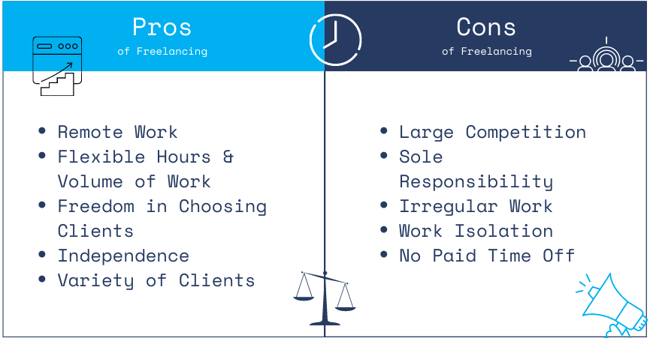
Freelancing offers both advantages and disadvantages,
especially in creative fields like web development, animation, and game design.
Here's a breakdown of both:
Benefits:
- Flexibility:
Freelancers have control over their work schedule, allowing for better
work-life balance.
- Creative
Freedom: You get to choose the projects you work on, allowing you to
focus on what truly interests you.
- Potential
for Higher Earnings: Depending on your experience and skills,
freelancing can offer the opportunity to earn more than a traditional job.
- Variety:
Freelancing exposes you to diverse projects, clients, and industries,
which can help you grow your skills and expand your portfolio.
Drawbacks:
- Unstable
Income: Freelancing can be financially unpredictable, with periods of
high demand followed by slow months.
- Isolation:
Freelancers often work alone, which can feel isolating compared to the
social environment of a traditional office.
- Lack
of Benefits: As a freelancer, you’re responsible for your health
insurance, retirement savings, and other benefits typically provided by
employers.
- Administrative Burden: You must handle all aspects of your business, including contracts, taxes, and billing, which can be time-consuming.
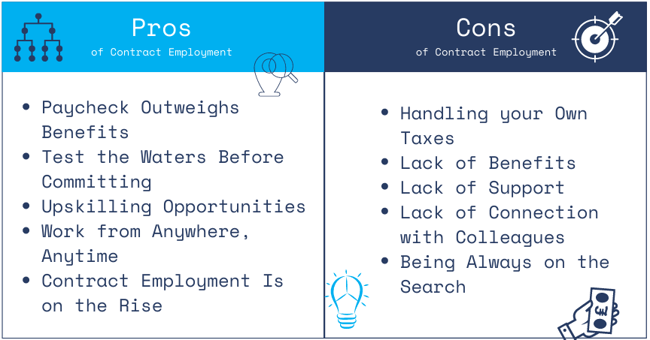
Freelancing vs. Large Studio or Corporate Development
In industries like game development, animation, and web
design, professionals often weigh the benefits of freelancing or working with a
small studio versus being part of a larger corporation or AAA development team.
- AAA
Development (or Large Studios): These environments offer stability,
resources, and the chance to work on large-scale, high-profile projects.
However, they may involve strict hierarchies and less creative freedom.
- Freelancing/Indie
Development: Indie developers and freelancers often have more creative
control and flexibility but face the challenges of limited resources and
financial uncertainty. However, this path allows for personal expression
and innovation.
Both paths offer distinct rewards and challenges, and the
right choice depends on your personal goals, preferred work environment, and
risk tolerance.
Establishing Your Own Business as a Freelancer
Starting your own freelancing business requires more than
just creative skills. Here's a step-by-step guide:
- Define
Your Niche: Identify your strengths and target a specific area of the
creative industry. Specializing helps differentiate you from competitors.
- Create
a Business Plan: Outline your goals, target audience, marketing
strategies, and financial projections.
- Legal
Structure: Choose a business structure (sole proprietor, LLC, etc.)
and register your business according to local laws.
- Set
Your Rates: Research the market to establish competitive rates that
reflect your experience and skills.
- Build
a Brand: Develop a personal brand that reflects your values, style,
and professionalism. This includes designing a logo, creating a website,
and establishing a consistent online presence.
- Network and Market Yourself: Consistently seek new opportunities, promote your work, and build relationships with potential clients.
For those entering the freelance world, here are some key
tips to keep in mind:
- Be
Patient: Building a successful freelancing career takes time. Don’t be
discouraged by slow periods or initial rejections.
- Develop
Strong Client Relationships: Nurture your relationships with clients,
as repeat business and referrals can sustain your freelancing career.
- Stay
Current: Keep up with industry trends and continuously improve your
skills.
- Be Financially Prepared: Set aside savings for slower periods and plan for taxes and business expenses.
Conclusion


Comments
Post a Comment